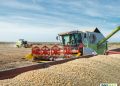


Pennsylvania soybean farmers are facing mounting challenges as trade disputes, rising input costs, and unpredictable weather converge during harvest season. In Uniontown, Fayette County, local producers are contending with delayed planting and harvest schedules, equipment issues, and labor constraints—all while striving to maintain productivity and profitability on family-run farms.
The U.S.–China trade war has particularly affected soybean markets. China, historically the largest buyer of American soybeans, reduced purchases following retaliatory tariffs, cutting demand for U.S. exports. Prices have since fallen from pandemic highs above $17 per bushel to near pre-pandemic levels around $10. Meanwhile, machinery costs, labor shortages, and adverse weather events, including droughts, have increasingly pressured farm operations. Deer and other wildlife have also impacted yields, intensifying challenges for growers in western Pennsylvania.
Despite these difficulties, farmers like those in Fayette County continue to prioritize diversification. Soybeans remain a key rotational crop with corn, valued for their adaptability and relatively low labor requirements. Producers are also exploring alternative revenue streams, such as agritourism ventures. Corn mazes and sunflower fields offer local families and school groups hands-on experiences, providing an additional income source to offset crop market volatility.
State-level support offers some relief, but the federal government remains the primary driver of assistance. During previous trade disputes, billions in subsidies were provided to offset losses from tariffs, and similar programs are reportedly under consideration. However, farmers are cautious, concerned that relief efforts abroad—such as U.S. aid to Argentina amid its economic crisis may indirectly influence market competition for soy exports.
Pennsylvania growers benefit from a diversified agricultural landscape, with soybeans representing a smaller share of total crop acreage than corn or hay. In 2024, roughly 620,000 acres of soybeans were harvested in the state, compared with 1.3 million acres of hay and over 1 million acres of corn, helping mitigate the impact of international trade disruptions.
Even amid uncertainty, family farmers continue to invest time, capital, and expertise into their operations, balancing the realities of the marketplace with a commitment to sustaining multigenerational farm businesses. With careful planning, crop diversification, and community-based initiatives, Pennsylvania soybean producers are striving to maintain resilience in a complex and evolving agricultural economy.