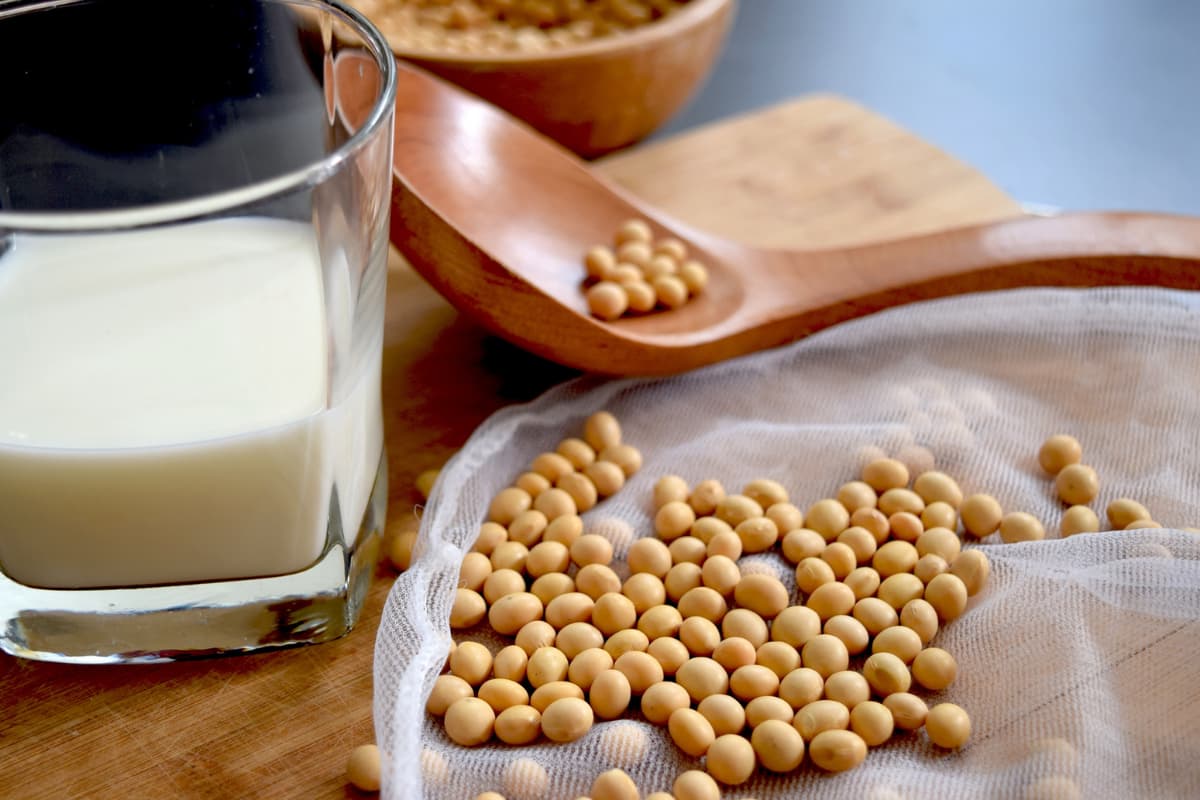


Soybean meal has long been the cornerstone of poultry nutrition, prized for its digestibility, consistent quality, and rich amino acid profile. But as feed costs fluctuate and sustainability pressures mount, poultry nutritionists are exploring how to reduce reliance on soybean meal without compromising bird performance.
No plant protein matches soybean meal’s nutritional consistency, making it the benchmark for evaluating alternatives. Yet concerns over deforestation, regional supply constraints, and the environmental footprint of global soybean production are driving interest in diversifying feed ingredients. Alternatives under consideration include rapeseed meal, fermented soy, pea or fava bean concentrates, and even insect meals. Each offers opportunities for partial replacement but must be carefully managed to avoid negative impacts on digestibility and overall nutrition.
Experts recommend a strategic approach: partial replacement of soybean meal, typically up to 15–20%, can improve sustainability and cost-effectiveness while maintaining bird growth and health. Key factors include focusing on digestible amino acids rather than crude protein, monitoring potassium, fiber, and phosphorus levels, and ensuring consistent processing quality to prevent loss of nutritional value.
Nutritionists stress that soybean meal is not being discarded but rather integrated with alternatives in a balanced, adaptive formulation. By blending carefully selected proteins with soybean meal, producers can reduce supply risks, lower carbon footprints, and position poultry production for a more sustainable future.
The current industry perspective emphasizes evolution over elimination: maintain soybean meal as the backbone of feed, but adopt an adaptive strategy that incorporates alternative proteins to meet both economic and environmental goals.