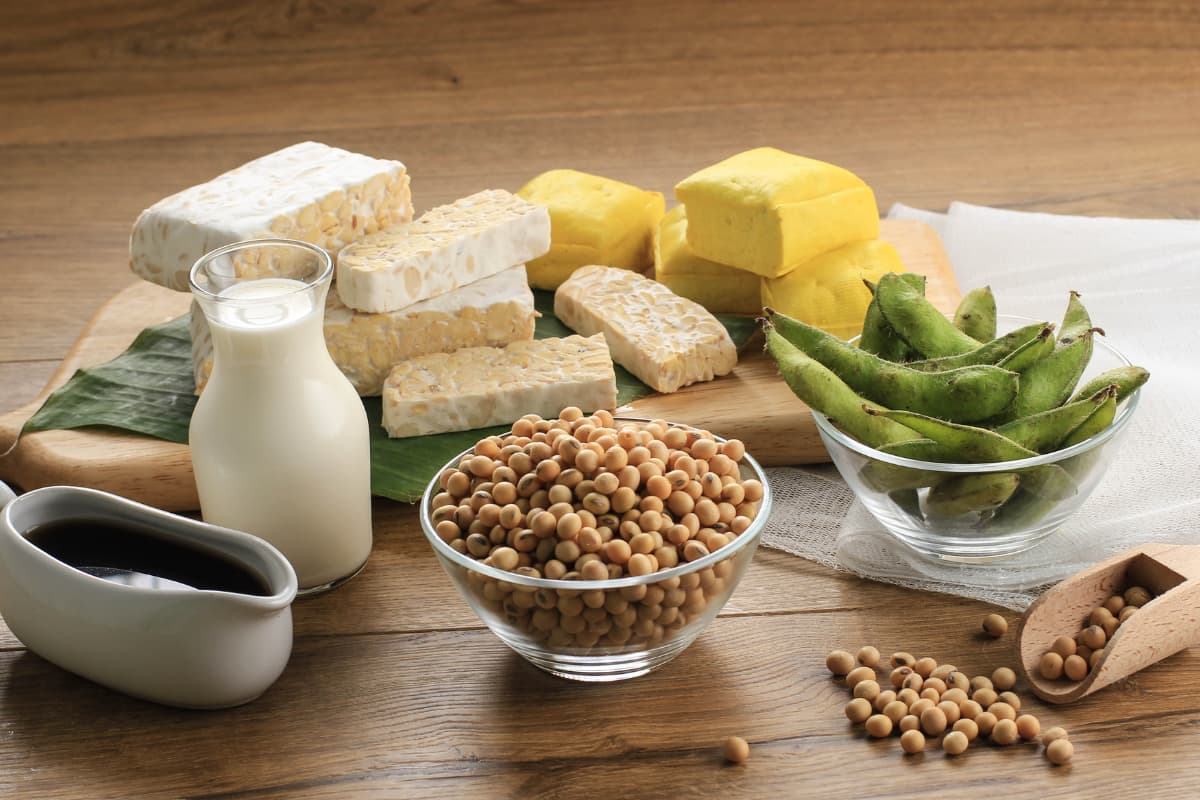


Missouri soybean farmers are navigating a rapidly changing market where domestic processing capacity and international trade both play critical roles in ensuring long-term success.
Domestic soybean crushing has seen significant growth in recent years. The USDA Economic Research Service forecasts U.S. soybean crush to rise nearly 3% in the 2025–26 marketing year, potentially reaching a record 2.49 billion bushels—equivalent to 57% of all soybean use. Research from the American Soybean Association indicates practical crush capacity has climbed 14% from 2023 to early 2025, increasing from 2.23 billion to roughly 2.55 billion bushels annually. With nine new or expanded processing plants already operational and seven more planned, capacity could reach 2.78 billion bushels by 2030.
“This rapid growth in crush capacity is changing the landscape for soybean marketing,” said Matt Amick, director of market development for Missouri Soybeans. “It provides farmers with more options close to home and ensures that soybean oil and meal continue to meet the needs of both domestic and international markets. At the same time, it highlights the importance of keeping exports strong, because we need both markets to thrive.”
Exports continue to be essential despite the rise in domestic processing. U.S. soybean meal exports are projected to hit a record 15.7 million metric tons in 2024–25, a 9.5% increase over the prior year. Competitive pricing and global demand have fueled this growth, even as crush volumes outpace whole-bean exports, signaling a structural shift in how soybeans are used.
Missouri Soybeans and U.S. Soy are actively cultivating international relationships to maintain strong exports. The state has hosted multiple trade teams recently, highlighting U.S. soybean quality, sustainability, and research innovation. A delegation from Turkey, for example, toured production facilities and biotech research sites, showing particular interest in modernizing feed and livestock sectors.
“Trade teams are an opportunity to put Missouri soybeans on display for buyers who want assurance of quality and innovation,” said Mark Lehenbauer, chairman of the Missouri Soybean Merchandising Council. “When a group like the Turkish delegation comes here and sees firsthand how our farmers are growing high-quality, biotech-driven soybeans, it reinforces why Missouri is a leader on the global stage. Every handshake and every visit builds trust — and trust drives demand.”
The combination of domestic crush growth and strong exports provides a balanced foundation for market resilience. New processing facilities boost local basis, sometimes increasing cash prices by as much as 23 cents per bushel within 20 miles of a plant. At the same time, expanded crush capacity lessens reliance on volatile global markets, while exports maintain U.S. soybeans’ vital role in global feed and food systems.
Domestic crush expansion also supports energy independence. Soybean oil is increasingly used for renewable diesel and sustainable aviation fuel, creating additional outlets for demand and directly benefiting Missouri farmers as the market for soy-derived fuels grows.
Policymakers and industry leaders continue to work on stable conditions for sustained growth. Biofuel policy, blending incentives, and trade agreements will influence the market’s trajectory. While uncertainties remain regarding tariffs, fuel mandates, and new crush facility timelines, the long-term outlook is positive: demand for soybeans is growing both at home and abroad.
“The bottom line is that our farmers succeed when markets succeed,” Lehenbauer said. “By investing in innovation here at home and building relationships overseas, we’re ensuring that soybeans remain a powerful driver of Missouri’s economy.”