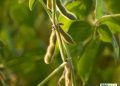


The 2025 harvest season has brought a mixed outlook for farmers in northeast Kansas, where soybeans have delivered surprisingly strong yields despite a challenging growing year. While corn crops in the region have struggled under heavy disease pressure, soybeans have emerged as a positive highlight, performing well above average expectations.
Throughout much of the Midwest, weather fluctuations and late-season disease outbreaks have tested crop resilience. In northeast Kansas, conditions favored soybeans during key growth stages, leading to strong pod fill and healthy grain development. Favorable rainfall patterns and moderate late-summer temperatures contributed to the crop’s success, allowing soybeans to recover from earlier stress and achieve robust yields.
In contrast, corn performance has been notably weaker. Fields across the region faced widespread pressure from tar spot and southern rust, both of which developed in early to mid-August. These diseases limited photosynthesis and reduced kernel weight, ultimately cutting yield potential just as the crop entered the critical finishing phase.
The disparity between soybean and corn results reflects broader trends seen in other parts of the Midwest this year. Soybeans have proven more resilient under variable weather conditions and disease exposure, while corn yields have suffered where disease management and moisture control were insufficient.
As harvest data continues to come in, northeast Kansas stands out as an example of how crop diversification can mitigate seasonal risks. With soybean returns surpassing expectations, many farmers in the region may reconsider their crop balance for 2026, potentially increasing soybean acreage as part of a strategy to enhance stability and profitability.
Overall, the 2025 season in northeast Kansas highlights both the challenges of disease management in corn and the enduring adaptability of soybeans offering valuable lessons for planting decisions in the coming year.