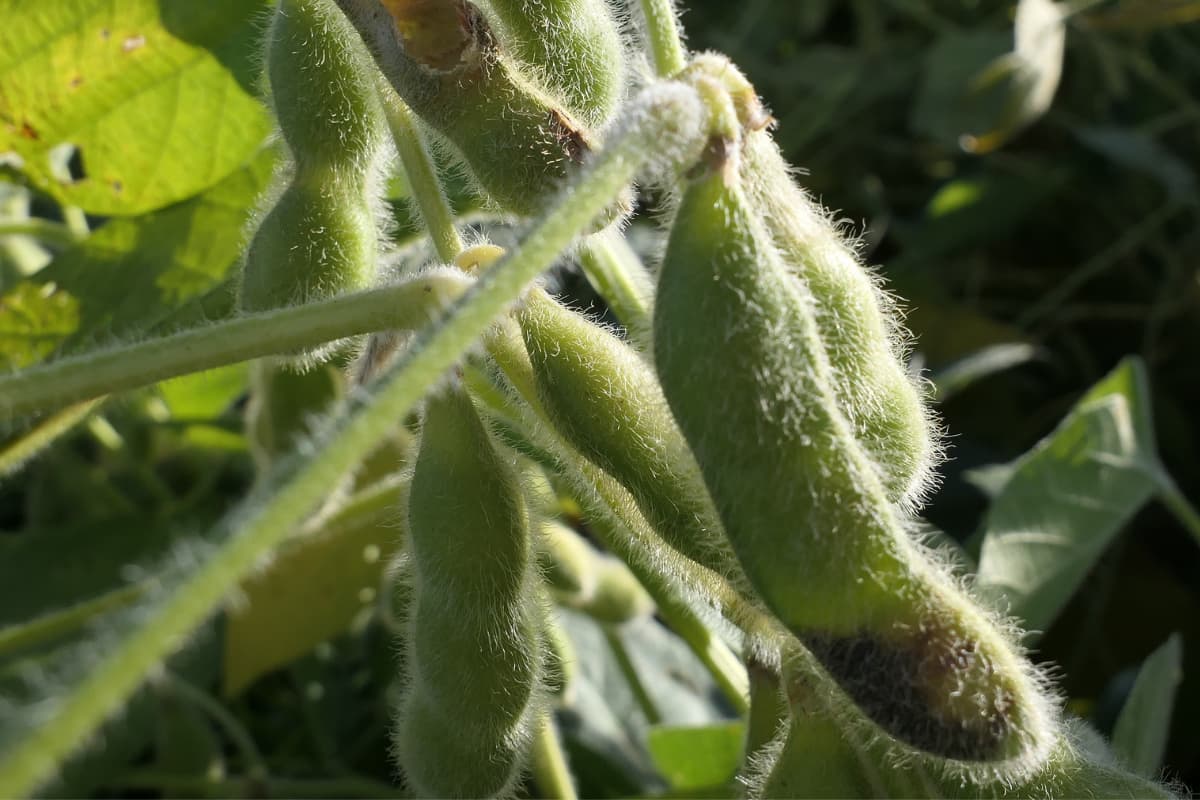


Soybeans finished the week with gains, supported by solid domestic demand and technical buying, as well as continued strength in soybean meal prices. The robust demand was reflected in Wednesday’s NOPA September crush report, signaling steady use in the U.S. market. Analysts are closely monitoring the U.S. harvest, which has likely passed the halfway mark, as well as planting progress in South America.
China reportedly purchased Brazilian soybeans for November delivery, while face-to-face U.S.-China tariff talks scheduled for Halloween appear to be on track. U.S. soybeans remain competitively priced compared with Brazil, provided Beijing’s tariffs are considered. Soybean meal futures were buoyed by demand expectations, and soybean oil also rose on the positive tone across the complex.
Corn prices were modestly higher, driven by commercial and technical buying, as traders monitored near-term harvest delays in parts of the Midwest and South American planting conditions. Argentina’s planting weather looks favorable, while parts of Brazil could benefit from additional rainfall. The Buenos Aires Grain Exchange reports 30% of Argentina’s corn crop is planted, projected at 61 million tons, while Ukraine’s corn harvest lags at just 15% completion. Strong demand for ethanol and exports continues, though feed demand faces competition from soybean meal and feed wheat.
The wheat complex showed mixed results: Chicago and Kansas City futures rose, while Minneapolis fell. Rising global supplies, including larger crops in Canada, Europe, and Russia, have kept most wheat contracts near recent lows. Argentina’s crop conditions remain mostly favorable at 90% good to excellent, though cooler weather later this month could have some impact. U.S. wheat prices remain competitive internationally, helping support winter wheat futures, while spring wheat continues a downward trend. Winter wheat planting delays are noted, but adequate soil moisture supports development ahead of dormancy.
Overall, the week highlighted strong demand for soybeans, modest gains in corn, and mixed trends in wheat, as traders balance global supply dynamics with domestic harvest developments.