

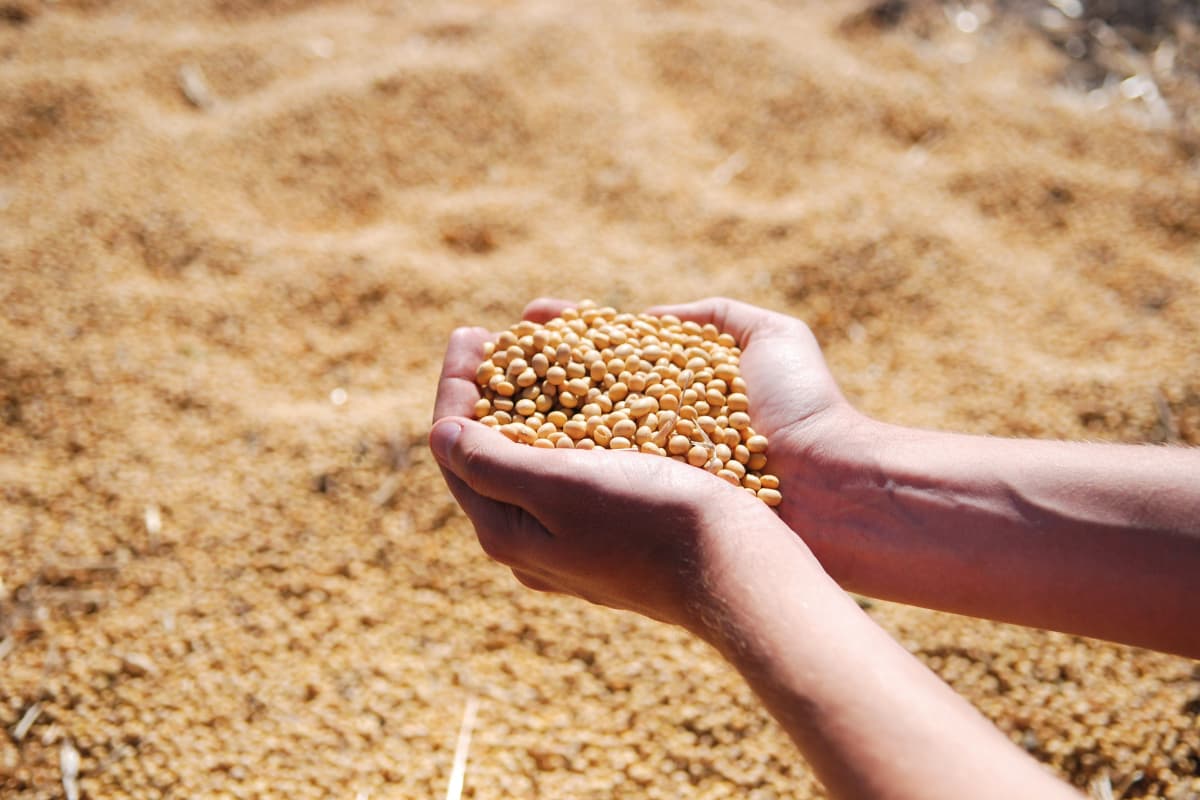
The plant-protein markets is undergoing a profound transformation, driven by a surge in demand for plant-based proteins. This shift, once a niche trend for vegans and vegetarians, has gone mainstream, fueled by a new wave of “flexitarian” consumers who are actively reducing their meat consumption for a variety of reasons, including health, environmental concerns, and a desire for dietary diversity. This burgeoning market is creating unprecedented opportunities for plant-based ingredients, with soy leading the charge as the most dominant and functional protein source.

The Plant-Protein Markets: Size, Trends, and Drivers
The plant-based protein market is experiencing exponential growth. Projections from market research firms estimate the global plant-protein markets to reach a value of over $34 billion by 2030, with a compound annual growth rate (CAGR) of approximately 8%. While North America and Europe currently lead in consumption, the Asia-Pacific region is poised for the fastest growth, driven by rising middle-class populations, increasing health awareness, and a greater availability of plant-based products.
The key drivers of this growth are multi-faceted:
- Health and Wellness: Consumers are increasingly aware of the health benefits of plant-based diets, which are often associated with a lower risk of chronic diseases like heart disease, type 2 diabetes, and obesity. Many consumers are seeking cleaner labels and less processed ingredients, and plant-protein markets fit this demand perfectly.
- Environmental Concerns: The environmental footprint of animal agriculture is a major concern for many consumers. They are actively seeking products with a lower carbon footprint, and plant-based foods, especially those made from crops like soy, require significantly less land, water, and energy to produce.
- Flexitarianism: The “flexitarian” consumer—one who consumes both meat and plant-based foods but actively works to reduce meat consumption—is the biggest driver of market growth. This group is more open to trying new products and is not committed to a purely vegetarian or vegan lifestyle, making them a huge market for new plant-based products.
- Ethical and Animal Welfare Motivations: For a growing segment of the population, animal welfare is a primary driver for choosing plant-based alternatives.
Soy’s Dominance: A Proven and Versatile Protein
Within the vast plant-protein market, soy protein stands as the clear leader, consistently holding the largest market share. This dominance is not a coincidence; it is a result of soy’s unique combination of functionality, versatility, and nutritional completeness.
- A Complete Protein: Soy is one of the few plant-based proteins that is a “complete protein,” containing all nine essential amino acids that the human body cannot produce on its own. This makes it an ideal alternative to animal proteins.
- Exceptional Functionality: Soy protein’s functional properties are unmatched by other plant proteins. Soy protein isolates and concentrates are used by food manufacturers to:
- Emulsify: To mix oil and water in products like salad dressings and mayonnaise.
- Bind: To hold moisture and fat in processed meats and meat alternatives.
- Texturize: To create the “meat-like” chew in products like vegetarian burgers and sausages.
- A Range of Products: Soy is not just a single ingredient but a family of products that can be tailored to specific applications:
- Soy Flour and Grits: Used in baked goods, cereals, and snacks.
- Soy Protein Concentrates (SPC): With a protein content of 60-80%, they are widely used in meat products to improve moisture and fat retention.
- Soy Protein Isolates (SPI): A highly purified form with over 90% protein, used in protein powders, beverages, and infant formulas.
- Textured Soy Protein (TSP): A low-cost, high-protein ingredient that is the base for many meat alternatives.
The Market Segments: Where Soy is Winning
Soy protein has found its way into almost every corner of the food industry, but it is particularly dominant in a few key, high-growth segments.
1. Meat and Seafood Alternatives
This is perhaps the most visible and dynamic segment of the plant-based market. Soy protein, particularly in its textured form (TSP), is a key ingredient in everything from plant-based burgers and sausages to ground “beef” and chicken substitutes. Its ability to mimic the texture of meat is a primary reason for its success. While other proteins like pea and fava bean are gaining ground, soy remains the most cost-effective and functional option for creating realistic meat alternatives.
2. Dairy Alternatives
Soy milk was the original plant-based milk and remains a dominant force in the market. Beyond milk, soy is used to create plant-based yogurts, cheeses, and frozen desserts. The functional properties of soy protein are crucial for creating the creamy texture and stable structure of these dairy alternatives. The demand for dairy alternatives is being driven by consumers with lactose intolerance, as well as those seeking a more sustainable and ethical option.
3. Functional and Sports Nutrition
Soy protein isolate is a staple in the sports nutrition and functional food market. It is a core ingredient in protein powders, energy bars, and ready-to-drink beverages. Its complete amino acid profile and high digestibility make it an excellent protein source for athletes and health-conscious consumers. The growth in this segment is being fueled by an increasing global interest in health and wellness.

Challenges and the Future of the Market
Despite its dominance, the plant-protein market is not without its challenges. The industry faces an ongoing battle to improve the taste and texture of some products to better mimic their animal-based counterparts. Cost and scalability are also major hurdles. For many consumers, plant-based products are still more expensive than their animal-based equivalents, which can be a barrier to wider adoption.
The future of the plant-protein markets lies in innovation. This includes:
- Diversification: While soy is a market leader, other plant proteins like pea, chickpea, and fava bean are gaining ground, and the industry is investing in new, novel protein sources.
- Clean Labeling: Consumers are increasingly concerned about “ultra-processed” foods. The industry is responding by developing plant-based products with shorter, more recognizable ingredient lists.
- Hybrids and Blends: New products are emerging that combine soy with other plant proteins to create a superior product that offers the best of both worlds—the functionality of soy with the unique texture or flavor profile of another protein.
In conclusion, the growth of the plant-protein markets is not a passing fad. It is a fundamental shift in how the world consumes food. Soy, with its unparalleled versatility and nutritional completeness, is at the forefront of this revolution. For U.S. soy, this is not just a new plant-protein markets—it’s a new opportunity to provide a high-value, sustainable protein to a world that is increasingly looking for healthier, more environmentally friendly food choices.