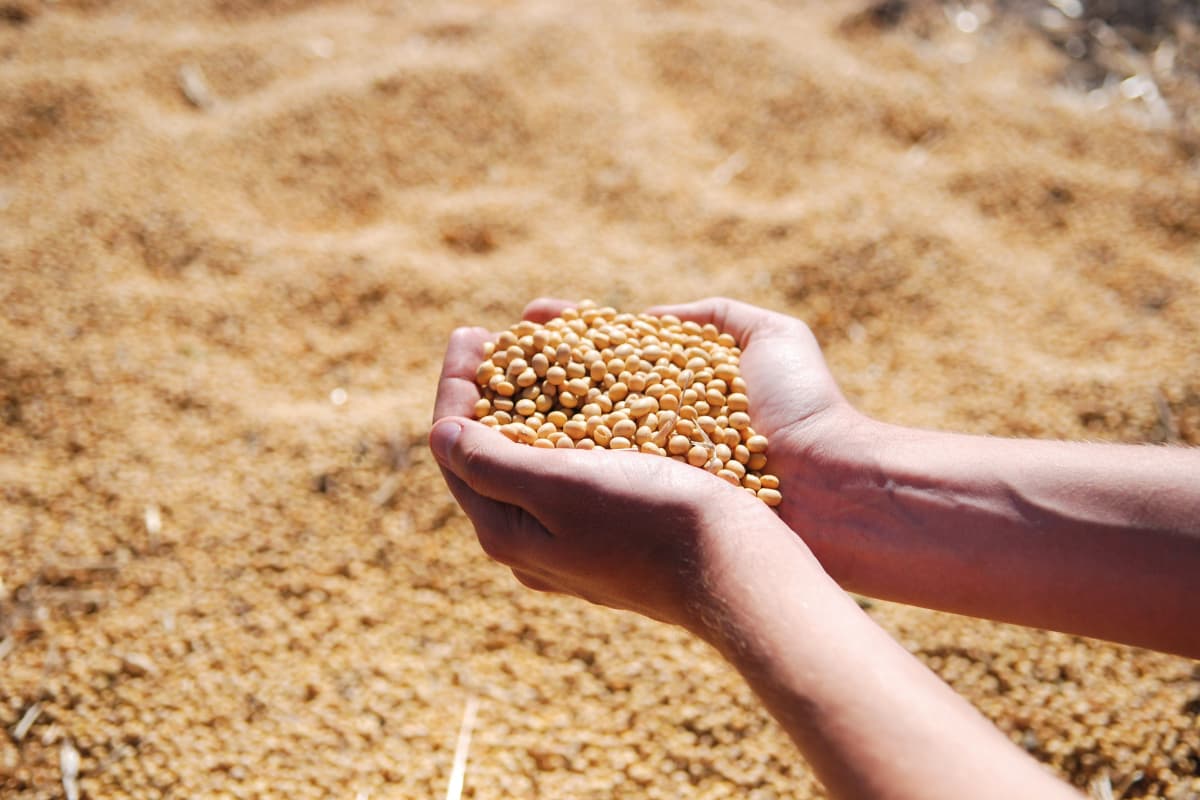


Soy protein concentrate and soy protein isolate are both high-protein derivatives of soybeans, but they are created through distinct processes that result in significant differences in their functional properties. For R&D professionals in the food and beverage industry, understanding these differences is crucial for selecting the right ingredient to achieve specific product characteristics, whether it’s for texture, solubility, or nutritional profile.

Production Process: The Key Differentiator
The fundamental differences between soy protein concentrate (SPC) and soy protein isolate (SPI) arise from their manufacturing processes. Both begin with defatted soybean flakes—the byproduct of oil extraction from soybeans.
- Soy Protein Concentrate (SPC): The production of SPC involves a process that removes most of the soluble carbohydrates (sugars like sucrose, raffinose, and stachyose) and some anti-nutritional factors from the defatted flakes. This is typically done through a water or ethanol wash. The process does not involve protein extraction and precipitation. The finished product retains the insoluble carbohydrates and fiber, resulting in a protein content of around 65% to 70% on a dry basis. SPC is often used in animal feed and as a functional ingredient in various food products.
- Soy Protein Isolate (SPI): The process for producing SPI is more complex and involves the isolation of the protein itself. The defatted flakes are first mixed with an alkaline solution to solubilize the protein. This liquid protein solution is then separated from the insoluble fiber and carbohydrates. The protein is then precipitated out of the solution by lowering the pH to its isoelectric point (around 4.5). The protein “curd” is then washed, neutralized, and spray-dried. This extensive process removes nearly all carbohydrates and fats, yielding a product with a protein content of at least 90% on a dry basis.
The difference in protein content is a direct result of these two distinct processes.
Functional Differences and R&D Applications
The different production methods give SPC and SPI unique functional properties that dictate their use in food and beverage formulations.
Solubility
- Soy Protein Isolate (SPI): SPI is highly soluble in water, especially at a neutral pH. This makes it an ideal ingredient for protein-fortified beverages, sports drinks, and clear protein-enhanced products where a smooth, non-gritty texture is essential. Its high solubility also makes it a preferred choice for applications where the protein needs to be evenly dispersed, such as in meal replacement shakes.
- Soy Protein Concentrate (SPC): SPC is less soluble than SPI, especially in its unprocessed form. It retains a higher percentage of insoluble fiber and carbohydrates, which gives it a grittier texture when mixed with liquids. This makes it less suitable for high-solubility beverage applications but useful in other food products where a less-refined texture is not an issue.
Gelation and Emulsification
- Soy Protein Isolate (SPI): SPI has excellent gelation properties. When heated, the protein molecules can form a gel-like structure, which makes it a valuable binder and texturizer in processed meat and seafood products. Its superior emulsification properties also allow it to stabilize oil-in-water emulsions, making it a key ingredient in sauces, dressings, and dairy-free alternatives where it helps prevent separation.
- Soy Protein Concentrate (SPC): While SPC does possess some emulsification and binding properties, they are generally weaker than those of SPI due to the lower protein purity and the presence of other components. SPC is still used as a binder and filler in meat products, but SPI is often preferred for applications that require a stronger, more stable gel or emulsion.

Viscosity and Water Absorption
- Soy Protein Isolate (SPI): SPI has a high water absorption capacity, meaning it can hold a significant amount of water, which is a key trait for creating a desirable texture in foods. It can also be formulated to have specific viscosity properties, making it useful in products like soups, gravies, and sauces where a thickening agent is needed.
- Soy Protein Concentrate (SPC): SPC has a lower water absorption capacity and does not possess the same viscosity-building properties as SPI. This makes it less suitable for products where a high degree of water retention or thickening is a primary functional requirement.
Flavor and Color
- Soy Protein Isolate (SPI): The extensive processing of SPI removes most of the “beany” flavor and a significant portion of the natural pigments, resulting in a product with a bland, neutral flavor and a light color. This makes it a highly versatile ingredient that can be used in a wide range of products without altering the final taste or appearance.
- Soy Protein Concentrate (SPC): SPC retains a stronger, more noticeable “beany” flavor and a darker color. This can be a limiting factor in some applications, but it is often not an issue in products like textured soy protein or animal feeds where flavor and color are less critical.
Applications for R&D and Formulation
R&D professionals must carefully weigh these functional differences against their product goals and cost constraints.
- For Meat and Dairy Alternatives: SPI is often the preferred choice for premium products like plant-based burgers, sausages, and cheeses because of its superior gelation and emulsification properties, which are crucial for creating a “meat-like” texture and a stable final product.
- For Sports Nutrition and Beverages: SPI’s high solubility, neutral flavor, and high protein content make it the go-to ingredient for protein powders, meal replacement shakes, and functional beverages.
- For Animal Feed: SPC is a cost-effective, high-protein ingredient that is widely used in animal feeds, particularly for young animals, as its manufacturing process can reduce allergenic compounds.
- For Cost-Sensitive Formulations: SPC can be a viable option for products where a lower protein content and less refined functionality are acceptable, such as in certain baked goods, snacks, or fillers for processed meat products.
In conclusion, while both soy protein concentrate and isolate originate from the same raw material, their distinct manufacturing processes result in vastly different functional properties. SPI, with its high purity and superior solubility, gelation, and emulsification, is the premium ingredient for high-performance food applications. SPC, with its lower cost and higher fiber content, is a workhorse ingredient for a wide range of food and feed products. For R&D teams, the choice between the two is a strategic decision that directly impacts product quality, cost, and market positioning.