

The global soy supply chain is a complex, multi-stage process that connects a farmer’s field in the U.S. Midwest to a feed mill thousands of miles away in Asia. This journey involves a sophisticated network of transportation, processing, and trading, all of which must function seamlessly to ensure a reliable and cost-effective flow of the world’s most important oilseed. The efficiency and resilience of this supply chain are a key reason why the U.S. remains a global leader in soybean exports, despite intense competition from South America.

The U.S. Farm: The Starting Point
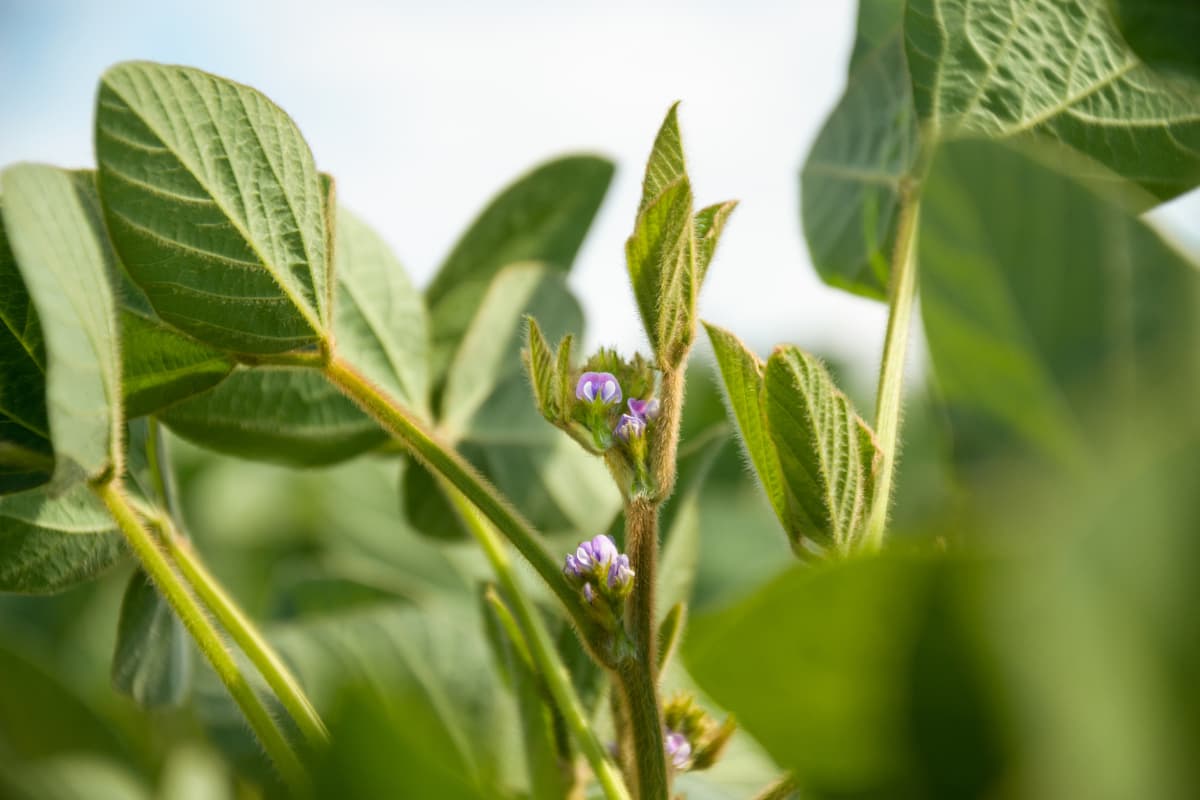
The journey begins on a U.S. farm, primarily in the Midwest’s “Soybean Belt,” which includes states like Illinois, Iowa, Minnesota, and Indiana. Farmers plant soybeans in the spring and harvest them in the fall. During this period, the crop’s quality—its protein and oil content, as well as the absence of defects like heat damage—is determined by a combination of genetics, soil health, and weather. This quality is the first link in the soy supply chain, as it directly impacts the final price and marketability of the product. Once harvested, the soybeans are stored on-farm or delivered to a local grain elevator.
Local Logistics: From Farm to Elevator
The first leg of the journey is typically by truck. Farmers haul their harvested soybeans from their fields to a nearby country grain elevator. At the elevator, the soybeans are weighed, sampled, and graded according to USDA standards. This initial inspection determines the farmer’s final payment, with premiums or discounts applied for quality factors like protein and oil content. Once the soybeans are graded and accepted, they become part of a larger aggregate, ready to be moved to their next destination. This process is the first critical step in a soy supply chain of custody that ensures the quality and quantity of the product are maintained.
The Primary Transportation Corridors: The U.S. Export System
From the country elevator, the soybeans are aggregated into larger volumes and begin their journey to an export terminal. The U.S. has a sophisticated, dual-corridor export system, each with distinct advantages and disadvantages.
1. The Mississippi River System
The Mississippi River System is the most important and cost-effective export corridor for U.S. soybeans. Soybeans from the Midwest are loaded onto barges, which are then floated down the Mississippi to the Louisiana Gulf ports. This system is highly efficient and provides a direct, low-cost route for the majority of the U.S. soy crop.
2. The Pacific Northwest (PNW)
The PNW corridor, encompassing ports in Washington and Oregon, is the primary route for U.S. soybeans destined for Asia. Soybeans from the Northern Plains (the Dakotas) and the Western Corn Belt are shipped by unit trains across the country to the Pacific Coast. While more expensive than barges, the PNW route offers a significant time advantage for accessing Asian markets.
The Export Terminal: The Gateway to the World
Once the soybeans arrive at an export terminal—whether at the Louisiana Gulf or the PNW—they undergo a final, official inspection by the Federal Grain Inspection Service (FGIS). This inspection verifies the quality of the entire consignment before it is loaded onto an ocean vessel. This official certificate is the final assurance of quality for the international buyer. The soybeans are then loaded onto large bulk carriers and set sail for their final destination.

The Ocean Voyage: A Global Journey
The ocean voyage is the longest leg of the soy supply chain, lasting anywhere from 20 to 45 days, depending on the route. The vessel is the largest and most complex piece of the logistics puzzle, and its movement is a key factor in global supply and demand. Once at sea, the soybeans are at the mercy of factors like fuel costs, transit times, and geopolitical risks, all of which influence the final landed cost.
The Asian Port and Feed Mill: The End Destination
Upon arrival at an Asian port, the vessel is unloaded, and the soybeans are transported to a local feed mill or processing plant. For a feed mill, the soybeans are the primary ingredient in animal feed for livestock, such as pigs, chickens, and aquaculture. The feed mill will crush the soybeans, extracting the oil and processing the remaining meal. This meal is then formulated into a variety of feeds to meet the specific nutritional requirements of different animal species.
Key Players and Market Drivers
The global soy supply chain involves a network of key players and is influenced by a range of market drivers.
- Producers: The U.S., Brazil, and Argentina are the world’s largest soybean producers and exporters, with the U.S. being a major supplier to Asian markets.
- Buyers: China is the world’s largest importer of soybeans, consuming a significant portion of U.S. and Brazilian exports for its massive livestock industry. Other key buyers include Mexico, Japan, and the European Union.
- Logistics Companies: A network of barge operators, rail carriers, and shipping lines provides the essential infrastructure to move the grain.
- Trading Companies: Global trading houses act as intermediaries, connecting farmers and processors with end-users and managing the complex logistics, price risk, and quality assurance of the entire soy supply chain.
The global soy supply chain is a testament to the power of a coordinated, efficient, and resilient system that can move a commodity from a farmer’s field to a feed mill on the other side of the world. Its success is a crucial part of global food security and a key driver of the world’s economy.