SUBSCRIBE
SoyMag – Global Soybean Industry News & Insights
No Result
View All Result
  • Home
  • Biofuels
  • Markets
  • News
  • Strategy
  • Sustainability
SoyMag – Global Soybean Industry News & Insights
  • Home
  • Biofuels
  • Markets
  • News
  • Strategy
  • Sustainability
SUBSCRIBE
No Result
View All Result
SoyMag – Global Soybean Industry News & Insights
No Result
View All Result

El Niño/La Niña and Soybean Yields: Weather Playbook for Traders

SOYMAG Editor by SOYMAG Editor
September 16, 2025
in Markets
0
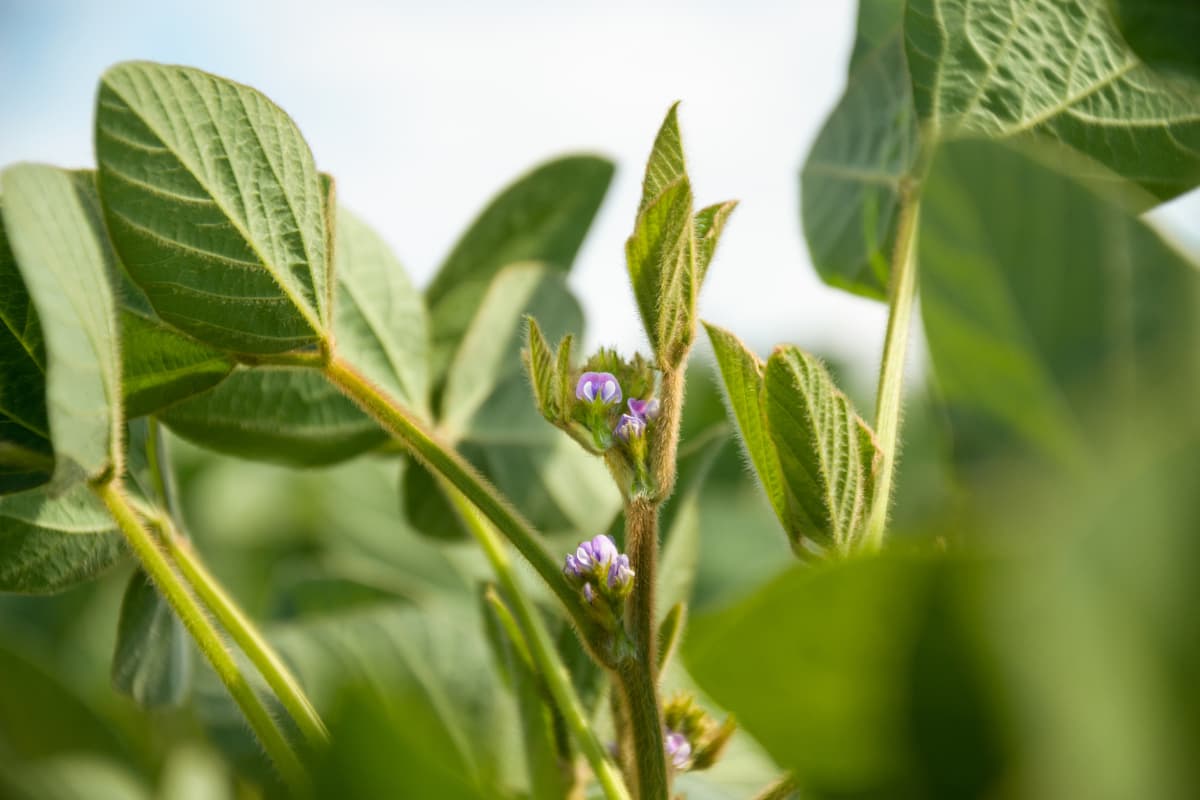
soybean plant
136
SHARES
1.2k
VIEWS
Share on FacebookShare on Twitter

El Niño and La Niña are two phases of a major climate pattern known in soybean yields as the El Niño-Southern Oscillation (ENSO), which significantly impacts global weather and, consequently, agricultural production. For soybean traders, understanding these cycles is a crucial part of a comprehensive trading playbook, as they can cause dramatic shifts in yields and prices, particularly in the U.S. and South America.

The Weather Playbook: El Niño vs. La Niña

The impact of ENSO on soybean yields is distinct for each phase and for different key growing regions.

You might also like

China Set to Buy Massive Volumes of U.S. Soybeans Following Trump–Xi Talks

China to Import 12 Million Tons of U.S. Soybeans, With Multi-Year Deal in Place

China Resumes Limited U.S. Soybean Purchases Ahead of Trump–Xi Summit

  • El Niño (Warm Phase): Characterized by warmer-than-average sea surface temperatures in the equatorial Pacific Ocean.
    • In the U.S.: El Niño often brings wetter conditions to the southern U.S. and dryer, warmer conditions to the northern U.S. Midwest. While the effect on overall U.S. soybean yields is often less pronounced or more mixed, there is a slightly elevated risk of below-trend yields.
    • In South America: El Niño typically brings increased rainfall to the key soybean-producing regions of southern Brazil and Argentina. This is generally a bullish factor for global supply, as it can lead to bumper crops in these major export nations. This increased production puts downward pressure on U.S. soybean prices.
  • La Niña (Cold Phase): Characterized by cooler-than-average sea surface temperatures in the equatorial Pacific.
    • In the U.S.: La Niña often brings drier and warmer weather to the southern U.S., but its impact on the Corn Belt’s soybean yields is less certain, with some studies showing a weak effect.
    • In South America: La Niña is often a bearish factor for global supply, as it tends to cause below-average rainfall and drier conditions in southern Brazil and Argentina. This can lead to drought and significantly reduce soybean yields. A strong or prolonged La Niña event in South America can trigger a powerful rally in U.S. soybean futures prices as traders price in a tightening global supply.

How Traders Use ENSO Forecasts

For traders, the ENSO cycle is a powerful tool for forecasting and risk management. It’s a foundational piece of their “weather playbook.”

  • Anticipating Volatility: Traders monitor long-range climate models for signs of an emerging El Niño or La Niña. If a strong La Niña is forecast, they anticipate potential drought issues in Argentina and southern Brazil. This can lead to a bullish bias in their positions, as they expect lower South American production to increase demand for U.S. exports or support U.S. prices.
  • Geographic Arbitrage: Because the weather effects are often inverse between the U.S. and South America, a trader can use ENSO forecasts to create geographic trading strategies. For example, during a strong La Niña, a trader might bet on a weak Brazilian crop and a stronger U.S. export window, potentially going long U.S. soybean futures.
  • Contextualizing USDA Reports: When the USDA releases its monthly WASDE report, a professional trader doesn’t just look at the numbers; they look at them through the lens of the current or forecasted ENSO phase. If the USDA projects high yields in Brazil during a La Niña, a trader might view that number with skepticism and anticipate a future correction, creating a potential trading opportunity.
Previous Post

The Global Soy Supply Chain: From U.S. Farm to Asian Feed Mill

Next Post

Stocks-to-Use Ratio: The Soy Metrics Every Buyer Should Monitor

SOYMAG Editor

SOYMAG Editor

Related Posts

China Set to Buy Massive Volumes of U.S. Soybeans Following Trump–Xi Talks

China Set to Buy Massive Volumes of U.S. Soybeans Following Trump–Xi Talks

Agricultural trade emerged as one of the key discussion points during the 90-minute meeting between U.S. President Donald Trump and...

China to Import 12 Million Tons of U.S. Soybeans, With Multi-Year Deal in Place

China to Import 12 Million Tons of U.S. Soybeans, With Multi-Year Deal in Place

China has agreed to purchase 12 million metric tons of U.S. soybeans during the current marketing season through January, according...

China Resumes Limited U.S. Soybean Purchases Ahead of Trump–Xi Summit

China Resumes Limited U.S. Soybean Purchases Ahead of Trump–Xi Summit

China’s state-owned grain trader COFCO has purchased three cargoes of U.S. soybeans, marking the country’s first imports from the new...

Brazil’s Soybean Crushing to Reach Record 60 Million Tons in 2025/26

Brazil’s Soybean Crushing to Reach Record 60 Million Tons in 2025/26

Brazil is set to achieve a new record in soybean processing, with crushing volumes projected to reach 60 million metric...

Next Post
Stocks-to-Use Ratio: The Soy Metrics Every Buyer Should Monitor

Stocks-to-Use Ratio: The Soy Metrics Every Buyer Should Monitor

Please login to join discussion

Related Post

Fall Selection in Soybean Fields: Herbicide or Cover Crop?

Fall Selection in Soybean Fields: Herbicide or Cover Crop?

Managing the Meal Mountain: Export Strategies in a Biofuel Boom

Minnesota Soybean Growers Optimistic as U.S.-China Trade Deal Nears Completion

SAF (Sustainable Aviation Fuel) From Soy Oil: Hype or Real Demand?

SAF (Sustainable Aviation Fuel) From Soy Oil: Hype or Real Demand?

Category

  • Biofuels & Energy
  • Finance
  • Markets
  • News
  • Nutrition
  • SOY EVENTS
  • Sustainability
  • Trade & Policy

About

We bring you the best Premium WordPress Themes that perfect for news, magazine, & blog, etc. Visit the landing page for details.

Categories

  • Biofuels & Energy
  • Finance
  • Markets
  • News
  • Nutrition
  • SOY EVENTS
  • Sustainability
  • Trade & Policy

Recent Posts

  • China Set to Buy Massive Volumes of U.S. Soybeans Following Trump–Xi Talks
  • China to Import 12 Million Tons of U.S. Soybeans, With Multi-Year Deal in Place

© 2025 SOYMAG – Global Soybean Industry News & Insights

No Result
View All Result
  • Home
  • Biofuels & Energy
  • Markets
  • News
  • Finance
  • Sustainability
  • Trade & Policy

© 2025 SOYMAG – Global Soybean Industry News & Insights