

The global soy markets are complex web of interconnected factors, from farm-level decisions to international trade policies. For anyone navigating this world—be it a farmer, a seasoned trader, or a new analyst—understanding the fundamental terminology is not just a benefit; it’s a necessity. This guide serves as your comprehensive glossary, translating the industry’s jargon into clear, actionable insights.
The Core Language of the Soy Markets: Fundamentals and Pricing
At the heart of the soy markets is the constant interplay of supply and demand, a dynamic best understood through a few key concepts. The Basis is arguably the most important one for a farmer. It’s the difference between the local cash price at your elevator and the futures price on the Chicago Board of Trade (CBOT). A strong basis signals a high local demand, which is good for the farmer. The futures soy markets itself, where standardized Futures Contracts are traded, is the engine of global price discovery. The prices here are a reflection of worldwide supply and demand, influenced by macro factors like the U.S. Dollar Index (DXY). A strong dollar, for example, makes U.S. soybeans more expensive for foreign buyers and is generally a Bearish sign for exports.
For processors, the most critical metric is the Crush Margin. This is the gross profit they make from turning soybeans into Soybean Meal and Soybean Oil. The Oilshare, which is the percentage of the crush margin that comes from the oil, has become a hot topic in recent years. Historically a small slice of the pie, the oilshare is now a major driver of profitability, thanks to the biofuel boom.
Understanding these concepts allows you to move beyond simply reacting to the soy markets and begin making strategic, data-driven decisions.

Quality and Certification: The Value of a Soybean
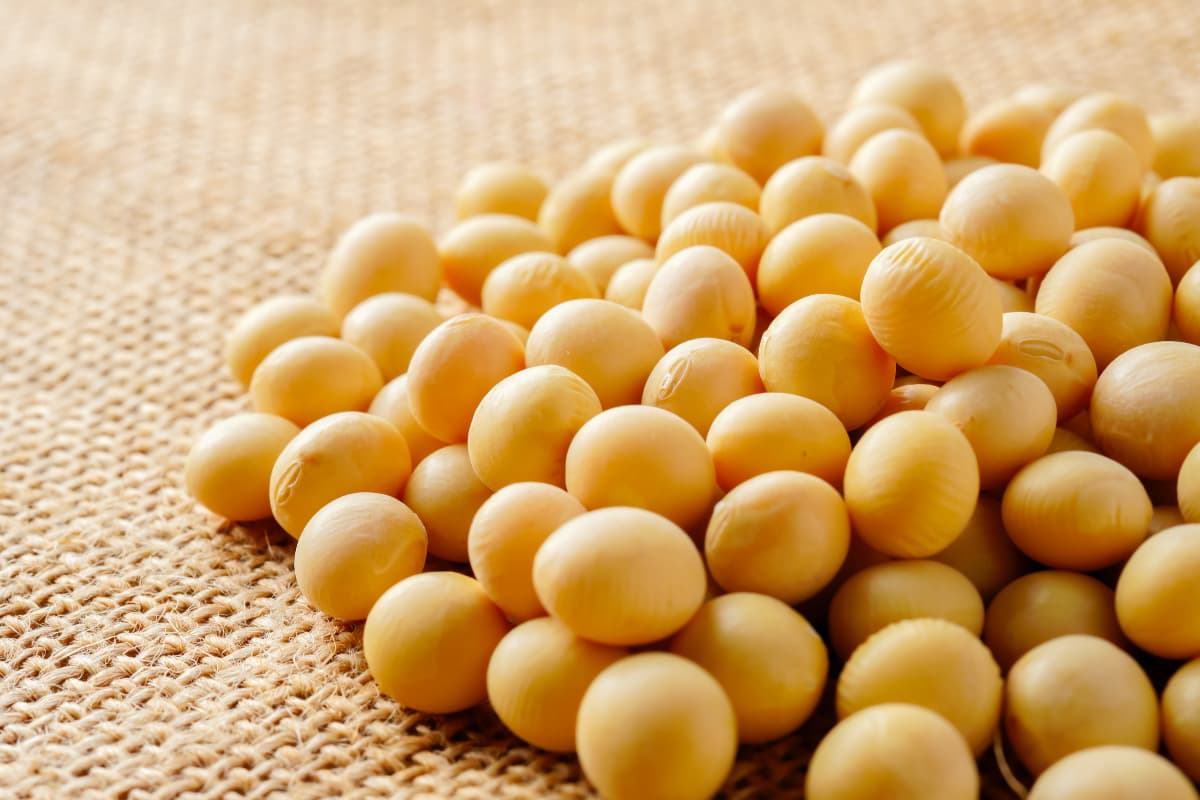
A soybean isn’t just a soybean. Its value is determined by a strict set of quality metrics. The two most important are Protein Content and Oil Content. Higher percentages of these two components mean more value for the processor and a potential premium for the farmer.
But quality goes beyond nutrition. Factors like Heat Damage, Foreign Material (FM), and Splits can significantly lower a soybean’s Official Grade, leading to discounts or even rejection. This is why the Federal Grain Inspection Service (FGIS) plays a crucial role. As a third-party, federal agency, the FGIS provides the Official Grade for all U.S. exports, guaranteeing quality and building trust with international buyers.
The concept of quality has also expanded to include sustainability. The U.S. Soy Sustainability Assurance Protocol (SSAP) is a game-changer. It’s a third-party audited system that certifies U.S. soy as sustainably produced on a national scale. For international buyers, particularly in Europe, SSAP certification is a crucial way to meet their own sustainability goals and to comply with regulations like the EU’s deforestation rules.
Logistics and Trade: Getting Soy to the World
The global supply chain for soybeans is a logistical masterpiece. It relies on a network of transportation from the farm to the final destination.
The Mississippi River System is the workhorse of U.S. exports, with massive barges moving grain downriver to the Louisiana Gulf ports for a low cost. For shipments to Asia, the Pacific Northwest (PNW) corridor is the preferred route. Here, Unit Trains haul soybeans across the country, providing a faster, more direct path to the world’s largest soy importers. When something goes wrong, traders must manage challenges like Demurrage, which is a penalty for vessels that wait too long at a port due to congestion or delays.
Increasingly, soy is also being shipped in Containerized form, particularly for high-value products like Non-GMO and Identity-Preserved (IP) soy. IP is a strict system of segregation that ensures the purity of specialty soybeans from the field to the final customer, a process that is essential for a market that is willing to pay a premium for quality.

Innovation and the Future of Soy
The soy markets are constantly evolving, driven by scientific innovation and changing consumer preferences.
Gene-Editing is a promising new technology that uses tools like CRISPR to create new soybean traits, such as Drought Tolerance and enhanced Protein Content. This innovation is crucial for making soybeans more resilient in a changing climate. On the farm, farmers are adopting Regenerative Agriculture—a holistic system of practices like No-Till Farming and Cover Crops—to improve soil health, reduce their environmental footprint, and secure more stable long-term yields.
Finally, the market is responding to consumer demand for plant-based proteins. Products like Tofu, Tempeh, and Soymilk, long-time staples in Asia, are now seeing rapid growth in the West. This opens up a new, high-value market for U.S. soy, one that is distinct from its traditional use as a commodity for animal feed.
The soy markets are complex, living organism. By understanding its key terms, you gain a deeper appreciation for the intricate dance of supply, demand, and human ingenuity that feeds the world. From the simple act of a farmer planting a seed to the global logistics that bring it to the other side of the world, every step is a testament to the power of a single commodity.