

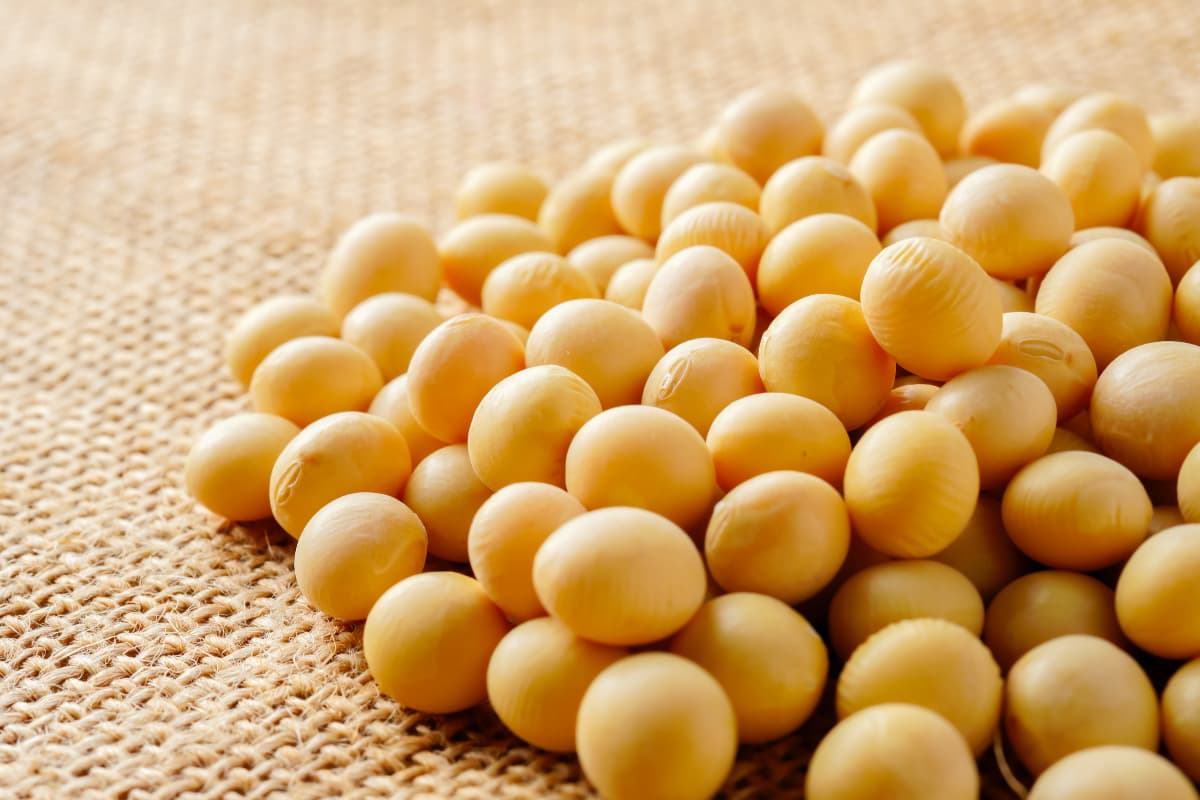
In the modern global marketplace, tariffs and quotas have become less of a barrier to trade than they once were. Today, the most significant hurdles for agricultural exports, including soybeans, are often Sanitary and Phytosanitary (SPS) measures. These are a set of rules, regulations, and procedures that governments implement to protect human, animal, and plant life from pests, diseases, and contaminants. For a U.S. soybean exporter, understanding and complying with these rules is a fundamental part of the business—a non-negotiable requirement for market access.
This guide provides a practical overview of SPS rules for soybeans, a deep dive into compliance requirements, and a look at how U.S. exporters can navigate this complex regulatory landscape to ensure their products reach foreign markets without delay or rejection.

Understanding the Basics: What are SPS Measures?
The World Trade Organization (WTO) Agreement on the Application of Sanitary and Phytosanitary Measures (the SPS Agreement) sets the global framework for these regulations. It allows countries to set their own standards to protect their territory from health risks, provided those standards are:
- Scientifically Justified: Measures must be based on a scientific risk assessment.
- Non-Discriminatory: They must not arbitrarily or unjustifiably discriminate between countries where similar conditions prevail.
- Transparent: Countries must be transparent about their regulations, providing a public record and notification of any changes.
For soybeans, SPS measures primarily fall into the “phytosanitary” category, focusing on plant health. They are designed to prevent the spread of pests, weeds, and diseases from the country of origin to the importing country.
The Phytosanitary Certificate: Your Passport to Global Trade
The single most important document in complying with phytosanitary rules is the Phytosanitary Certificate. Issued by the official plant protection organization of the exporting country (in the U.S., this is the Animal and Plant Health Inspection Service, or APHIS, a part of the USDA), this certificate is a legal document that attests a consignment of soybeans has been:
- Inspected according to official procedures.
- Found to be free of specified quarantine pests.
- In conformity with the phytosanitary regulations of the importing country.
The certificate is essentially a passport for the soybean shipment. Without it, the consignment will be rejected at the port of entry, no matter how high the quality of the product.
Common SPS Requirements for Soybean Exports
While the specific requirements can vary from country to country, there are several common SPS measures that U.S. soybean exporters must be prepared to meet.
1. Pest and Weed Freedom
This is the most common and critical requirement. Importing countries, particularly China and the European Union, have a list of quarantine pests—pests not present in their country that they want to keep out. For soybeans, this can include insects, fungi, or weed seeds.
Practical Compliance:
- Farm-Level Best Practices: The process begins on the farm. Farmers must implement integrated pest management (IPM) strategies to control pests and weeds in the field.
- Cleaning and Segregation: Soybeans must be thoroughly cleaned and screened at the grain elevator to remove all foreign material, including weed seeds, stems, and other debris. Some destination countries have a zero-tolerance policy for specific pests or weed seeds.
- Official Inspection: APHIS inspectors conduct a final inspection of the soybeans at the export point (e.g., a port terminal) to ensure they meet the importing country’s standards before issuing the Phytosanitary Certificate.
2. Maximum Residue Limits (MRLs)
Many countries set Maximum Residue Limits (MRLs) for pesticides, herbicides, and other chemicals. These are the maximum levels of a chemical residue allowed in a food or feed product.
Practical Compliance:
- Know Your Customer’s MRLs: Exporters must be aware of the specific MRLs for their destination market, as these can be different from U.S. domestic standards. For example, some countries may have stricter MRLs for a certain herbicide, or they may not have approved a specific pesticide at all.
- Source from Compliant Farms: Exporters often work with a network of farmers who follow specific production protocols to meet the MRL requirements of key export markets. This may involve using only certain approved chemicals or applying them at specific times during the growing season.
- Testing and Certification: A buyer may require a certificate of analysis (COA) from a third-party lab to verify that the soybean consignment meets the destination country’s MRL standards.
3. Traceability and Segregation
Increasingly, importers are demanding traceability, often tied to sustainability and food safety. While not strictly an SPS measure, traceability plays a crucial role in managing phytosanitary risks.
Practical Compliance:
- Segregated Supply Chains: To comply with certain regulations, exporters may need to create a segregated supply chain, where soybeans destined for a specific market are kept separate from all other soybeans from the farm gate all the way to the port. This is a complex and costly logistical undertaking but is often necessary to meet the most stringent SPS and non-GMO requirements.
- Documentation: Every step of the process, from planting and harvesting to storage and transportation, must be meticulously documented to ensure traceability. This documentation is critical for any audit or investigation in the event of a non-compliance issue.
4. Fumigation and Treatment
Some importing countries may require that a shipment undergo a specific phytosanitary treatment, such as fumigation, before or upon arrival. This is typically done to eliminate a specific pest of concern.
Practical Compliance:
- Official Protocol: If a treatment is required, it must be performed according to an official protocol agreed upon by both the exporting and importing countries’ plant protection organizations. The type of fumigant, dosage, and duration are all specified.
- Certification: The Phytosanitary Certificate will have a section that notes the treatment and attests that it was performed correctly.

Navigating the SPS Landscape: A Proactive Approach
For U.S. soybean exporters, the key to success is a proactive approach to SPS compliance.
- Stay Informed: The regulatory landscape is constantly changing. Exporters must actively monitor the WTO’s SPS notifications, stay in close contact with their foreign buyers, and work with USDA/APHIS to stay up-to-date on new requirements.
- Build Strong Relationships: Cultivating strong relationships with farmers, grain elevators, and foreign customers is essential. This ensures that everyone in the supply chain understands and adheres to the necessary protocols.
- Invest in Infrastructure: Investing in modern cleaning and storage facilities at the elevator level and in efficient inspection and certification processes at the port can significantly reduce the risk of rejection and build a reputation for reliability.
- Leverage Technology: Digital tools for traceability and data management can help streamline the compliance process, making it easier to collect, store, and share the necessary documentation with importers.
In conclusion, SPS measures are not just bureaucratic hurdles; they are a critical aspect of international trade that protects public health and agriculture. By treating SPS compliance as a core part of their business strategy, U.S. soybean exporters can navigate the complexities of global trade, ensure the safety and integrity of their product, and maintain their reputation as a reliable and trusted supplier to the world.