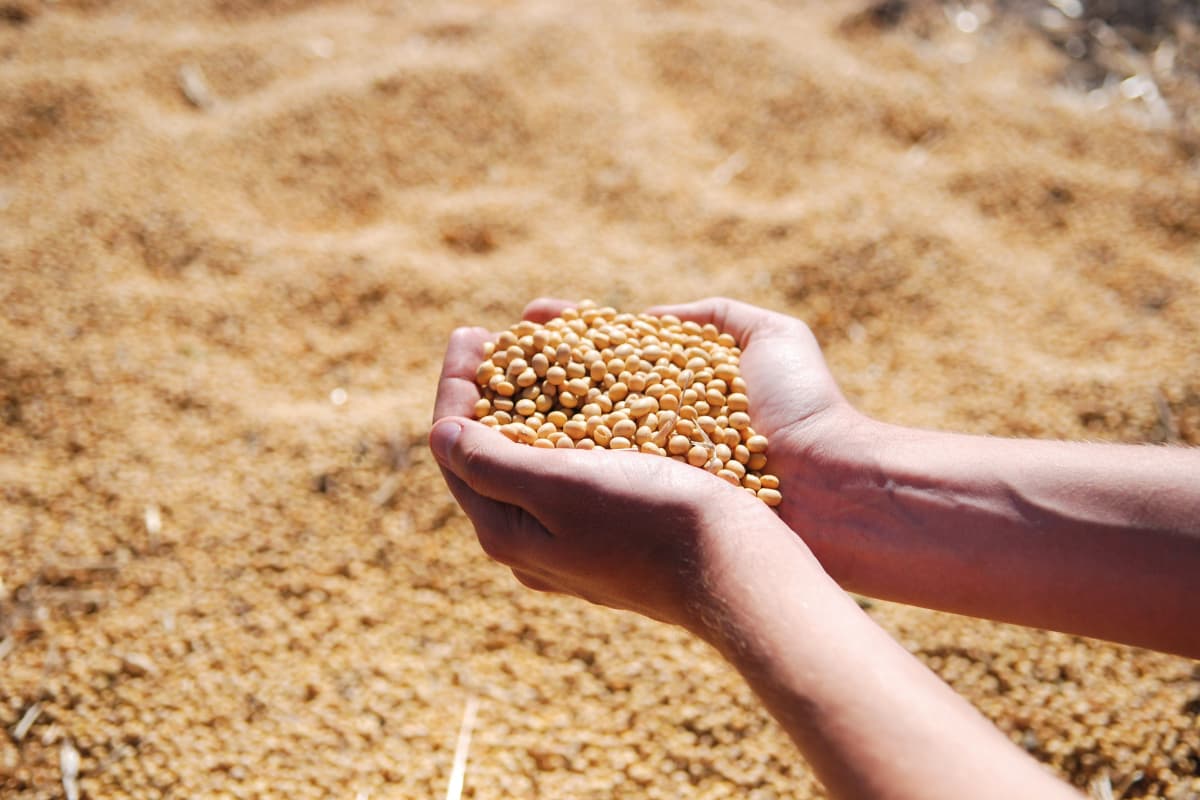


Soybean prices fell sharply on Tuesday as traders engaged in profit taking and technical selling after a recent rally pushed contracts into overbought territory. U.S. soybean prices remain at a significant premium to Brazil, partly because China continues to impose a 13% tariff on American beans, even in the absence of broader retaliatory tariffs. While a trade deal framework calls for China to purchase more U.S. soybeans over the next three years, questions remain over the timing of these shipments. The partial federal government shutdown has also suspended daily sales announcements and the weekly export sales report, limiting visibility into the market.
Market participants are closely watching the tail end of the U.S. harvest, while also monitoring planting and crop development conditions in South America. Soybean meal and oil futures followed the bearish trend in grains and oilseeds, reflecting both profit-taking activity and efforts to make U.S. products more competitive globally.
Corn futures also declined amid profit taking and technical selling, though U.S. harvest conditions and South American planting prospects remain generally favorable. Despite increasing export competition and resistance at contract ceilings, U.S. export inspections remain strong, and demand for ethanol production is solid, even as some regions substitute sorghum. The USDA is scheduled to release new supply, demand, and production data on December 14, including field-based surveys of the U.S. crop, while Brazil’s CONAB will provide an updated outlook the same day. Any major adjustments to U.S. crop estimates may not occur until January.
The wheat complex ended mostly lower as well, with the exception of December Minneapolis contracts. Profit taking and technical selling weighed on prices, although China reportedly purchased around 120,000 tons of U.S. wheat this week, including one cargo each of soft white winter and hard red spring wheat for December delivery. The U.S. winter wheat crop is approaching dormancy, with 38% of growing areas affected by some level of drought, slightly lower than last week. Globally, wheat markets are monitoring planting, development, and harvest in Argentina, Australia, Europe, Russia, and Ukraine, while India is expected to maintain nearly the same planted area for the 2026/27 season.